
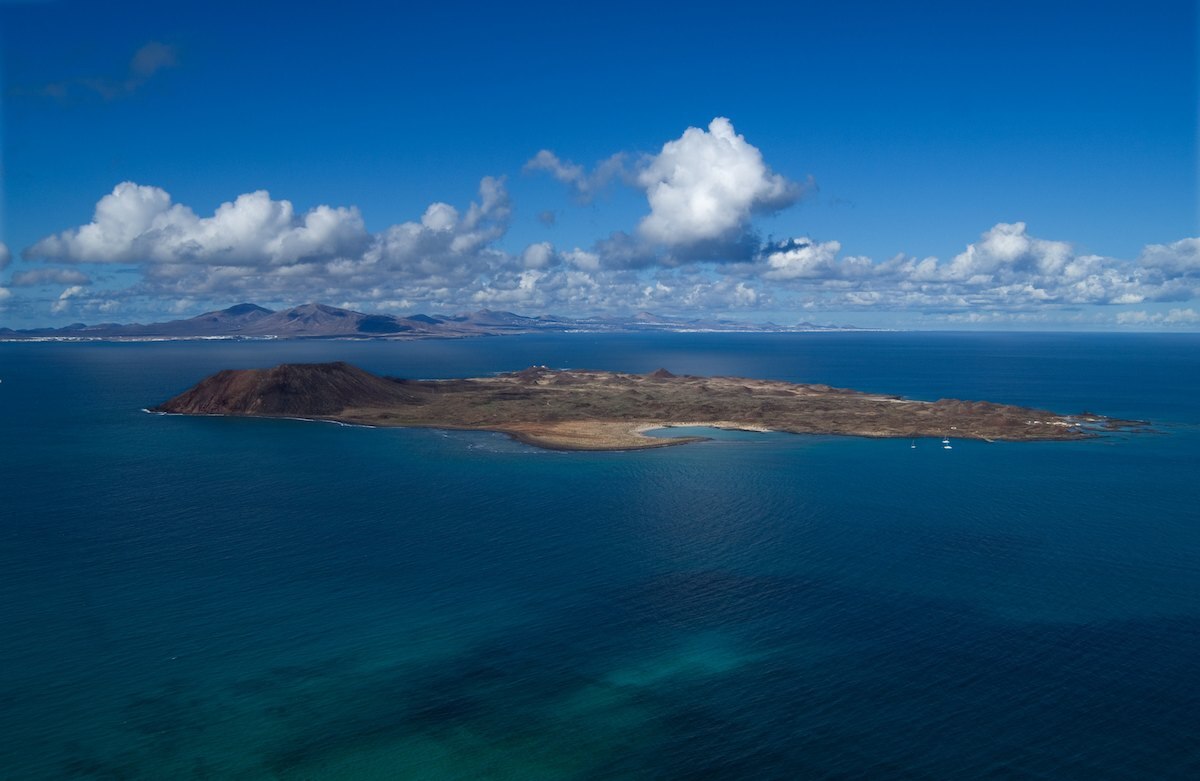
Quick facts
- Location: North of Lanzarote, part of the Chinijo Archipelago.
- Main village: Caleta de Sebo — the island’s social and service hub.
- Top beaches: Playa de las Conchas, La Francesa, and several sheltered coves.
- Transport: Ferry from Órzola (short crossing). Cars are largely not used on the island.
- Conservation: Much of the island and surrounding waters are protected as a natural park and marine reserve — please travel responsibly.
Why visit La Graciosa?
La Graciosa stands out because it feels untouched. There are wide sandy beaches with clear water, volcanic cliffs, and quiet trails that invite exploration on foot or by bike. It’s an ideal day trip or overnight escape for families, couples, and solo travelers who want sun, sea, and simplicity away from crowded resorts.
Highlights: pristine beaches, excellent snorkeling, easy cycling, friendly local eateries, and dramatic coastal hikes with sweeping Atlantic views.

Top experiences
Beach hopping
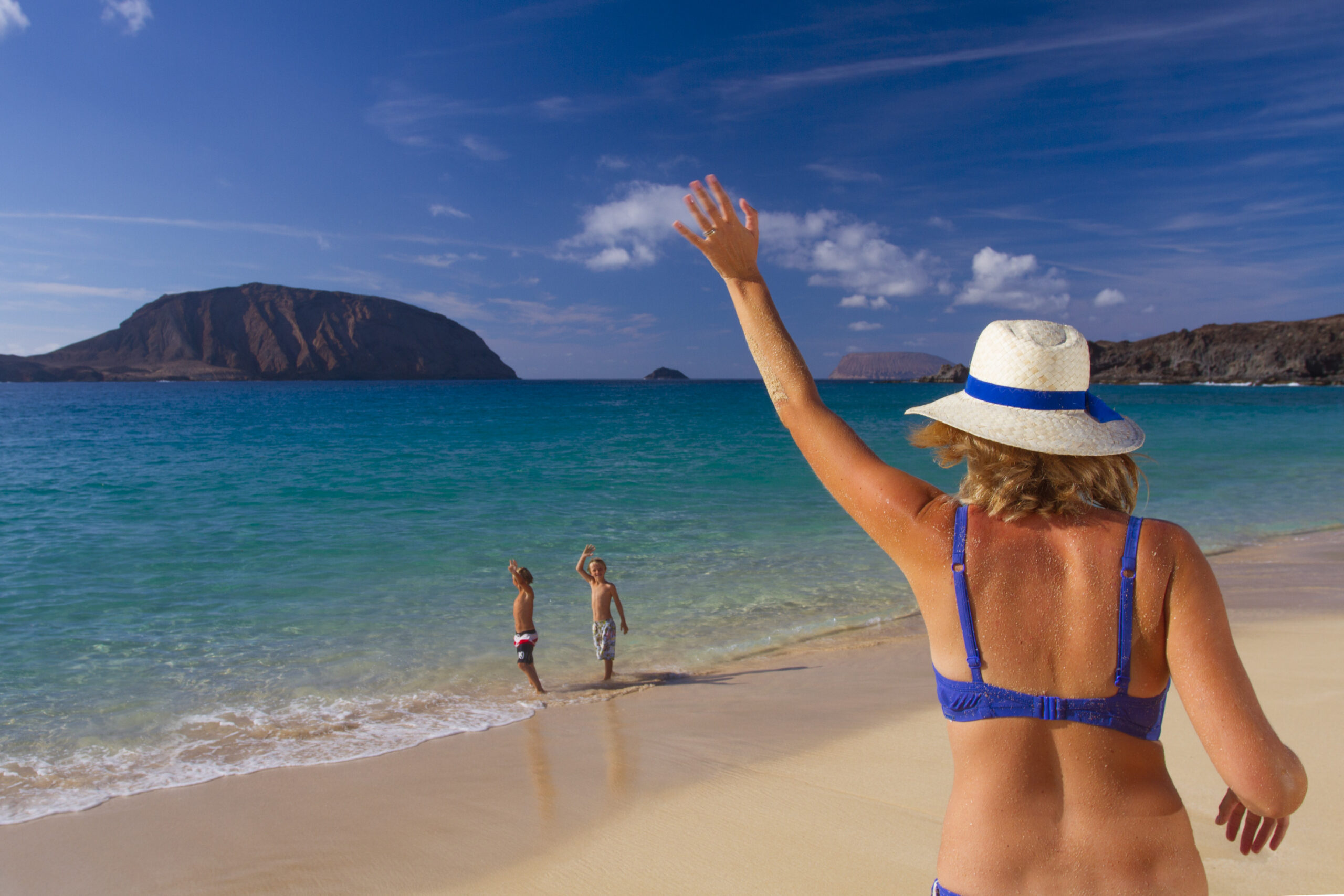
Playa de las Conchas — a landmark beach known for its soft sand and dramatic backdrop. The beach faces the open ocean, so check conditions before swimming. La Francesa and a string of small coves on the island’s eastern shore offer sheltered water and calm swimming.
Snorkeling & swimming
The clear Atlantic waters around La Graciosa host abundant marine life — fish, rays and interesting rock formations. Bring snorkel gear or join a guided snorkeling trip to explore reefs and shallow underwater valleys in the marine reserve.

Hiking and cycling
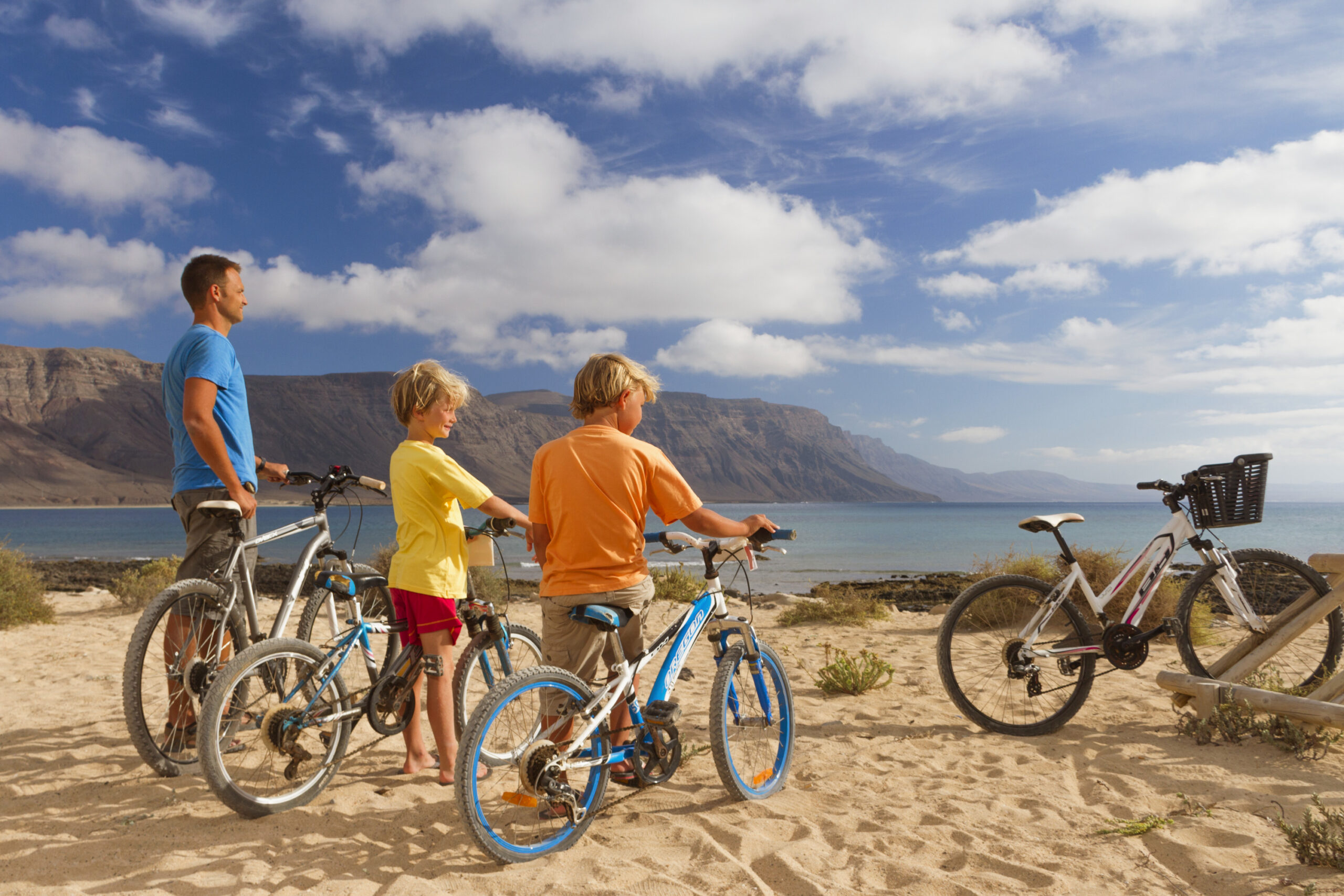
With few paved roads, the best way to explore is on foot or by bicycle. Trails range from short walks around Caleta de Sebo to longer routes that reach cliff viewpoints and remote beaches. Expect sandy tracks and occasional rocks — a hybrid or mountain bike is ideal.
Boat trips & kayaking
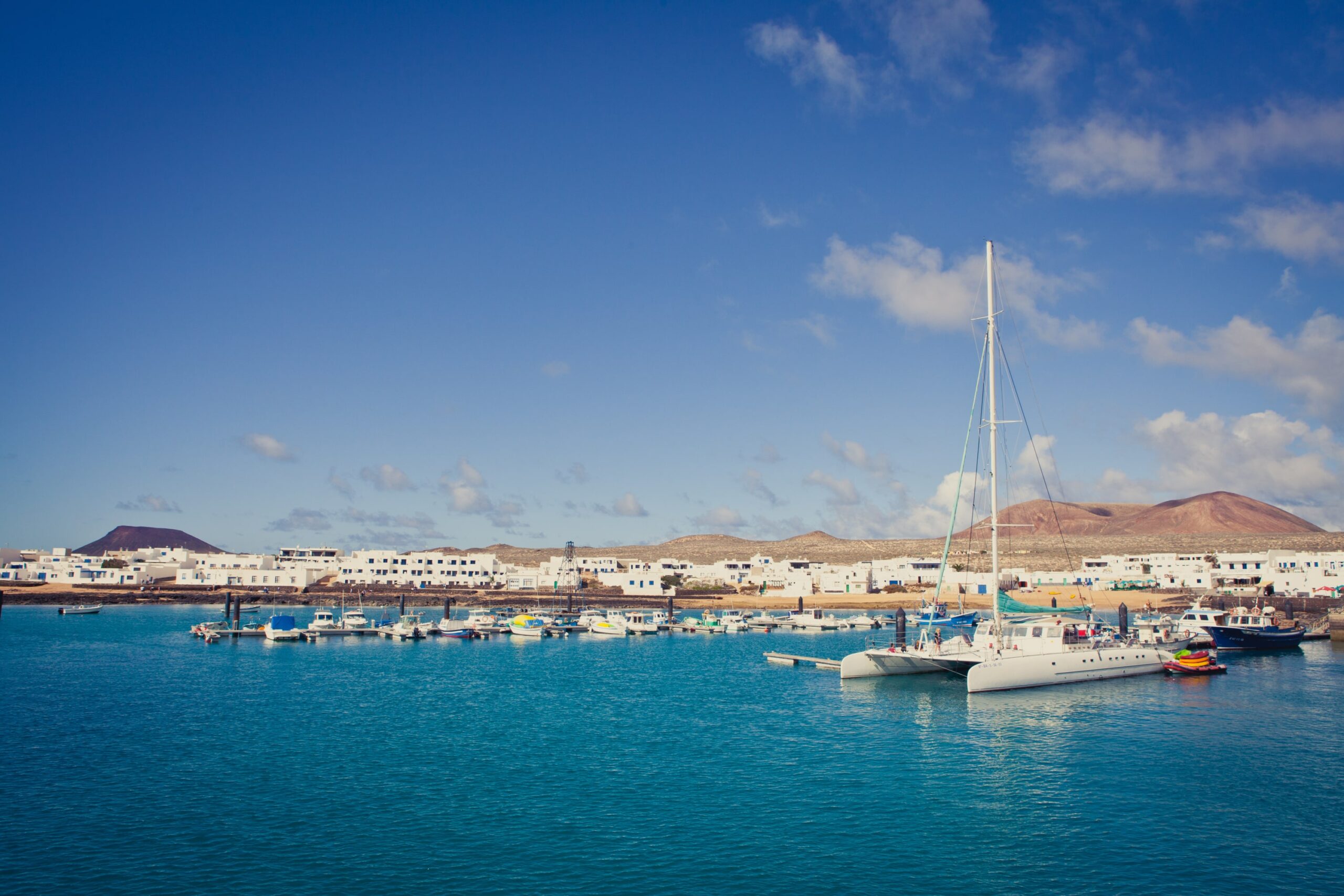
Small boat tours and kayak routes let you discover hidden coves and dramatic sea cliffs around the island and nearby islets. A boat trip offers great photo opportunities and the chance to explore places not easily reached from land.
Local food & village life
Caleta de Sebo has a handful of restaurants and cafés serving fresh fish, local tapas and simple Canarian dishes. Enjoy a relaxed lunch with a view of the harbor and boats returning with the day’s catch.
How to get there & practical tips
- Ferry from Órzola: Ferries depart regularly from Órzola (Lanzarote) to Caleta de Sebo. The crossing is short and easy — buy tickets in advance during busy months.
- Parking: If you drive to Órzola, plan for parking near the port; it can fill up during high season.
- On the island: Cars are limited; most visitors walk, bike, or use local taxis in Caleta de Sebo. Bring cash for small purchases — not all businesses accept cards.
- Accommodation: If you stay overnight you’ll enjoy golden sunsets and quieter mornings; book early in summer and holiday periods.
Best time to visit
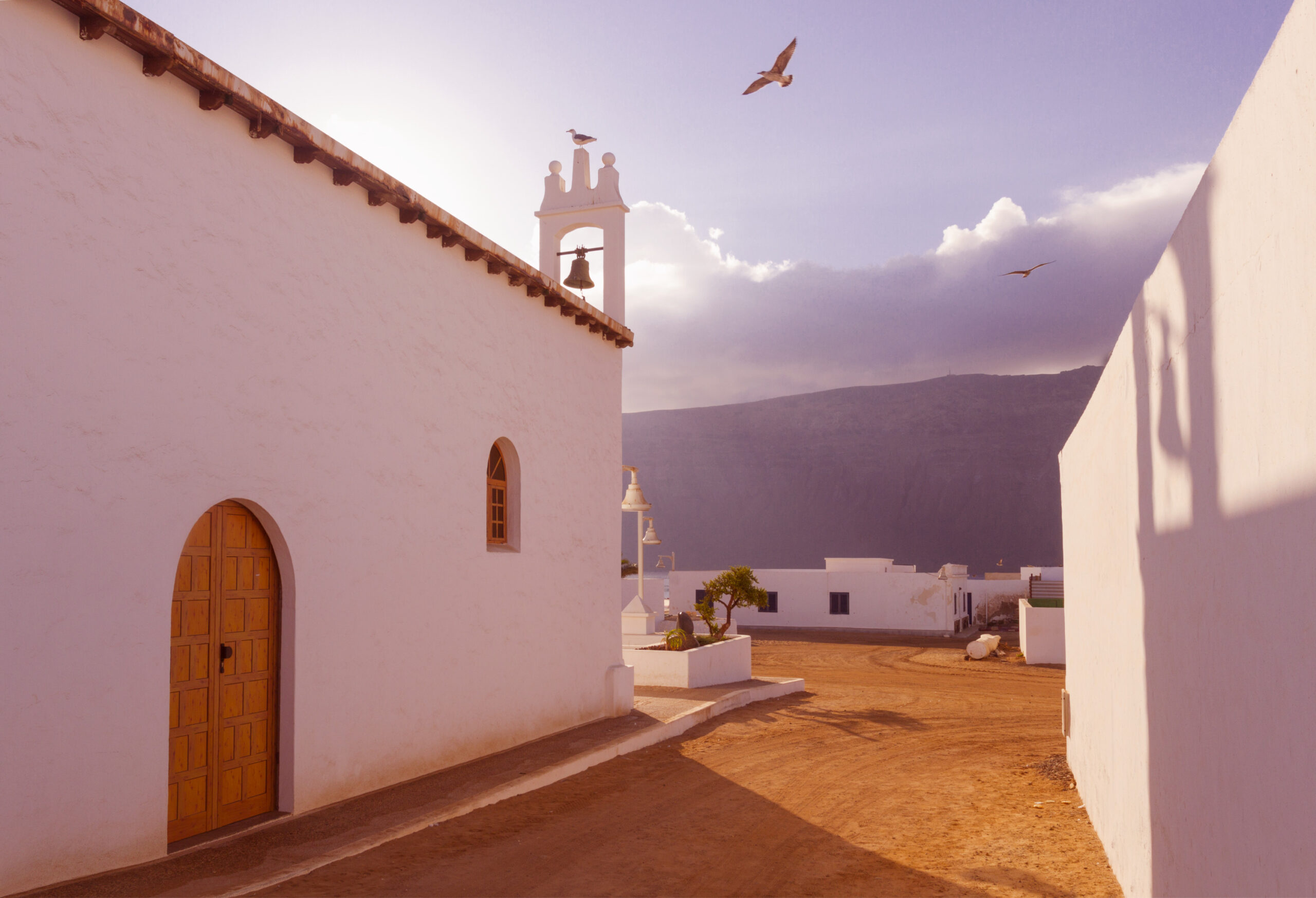
The Canary Islands enjoy mild weather year-round. Spring (April–June) and autumn (September–October) combine comfortable temperatures and fewer visitors. Summer brings higher temperatures and more day-trippers; winter is mild but can be windier, which affects sea access and some outdoor activities.
Packing checklist
- Sun protection: sunscreen, hat, sunglasses
- Reusable water bottle — water is limited in remote spots
- Snorkel kit (if you have one) and quick-dry towel
- Sturdy sandals or walking shoes — sandy and rocky tracks
- Light windbreaker or layer for evenings
- Small daypack, snacks, and cash for small businesses
Sample 1-day itinerary
- Morning: Catch an early ferry from Órzola, arrive in Caleta de Sebo, and have coffee while you plan the day.
- Late morning: Rent a bike or walk to Playa de las Conchas for photos and a beach stroll.
- Lunch: Return to the village for seafood or tapas in a local restaurant.
- Afternoon: Snorkel in a sheltered bay or kayak along the coast to discover hidden coves.
- Evening: Enjoy the sunset from a coastal viewpoint and take the ferry back to Lanzarote — or stay overnight to watch the stars.
Safety and sustainability
Respect the natural park: La Graciosa is part of a protected landscape and marine reserve. Help preserve the island by not removing shells, rocks or plants, and avoid disturbing wildlife. Stick to paths where marked and carry out any rubbish.
Water safety: Some beaches face the open ocean and can have powerful currents. Swim in sheltered areas if unsure, and ask locals about conditions.
Low-impact travel: Use reusable bottles, avoid single-use plastics, support local businesses, and choose guided activities that follow conservation guidelines. Small changes from visitors make a big difference in fragile island ecosystems.
Tips for families and solo travelers
- Families: Choose sheltered beaches for young children, bring shade and plenty of water, and plan shorter walks or bike rides.
- Solo travelers: La Graciosa is safe and welcoming — consider joining a small group snorkel or boat trip to meet other travelers.
- Photography: Early morning and late afternoon light are best for golden beaches and dramatic cliffs.
Where to stay
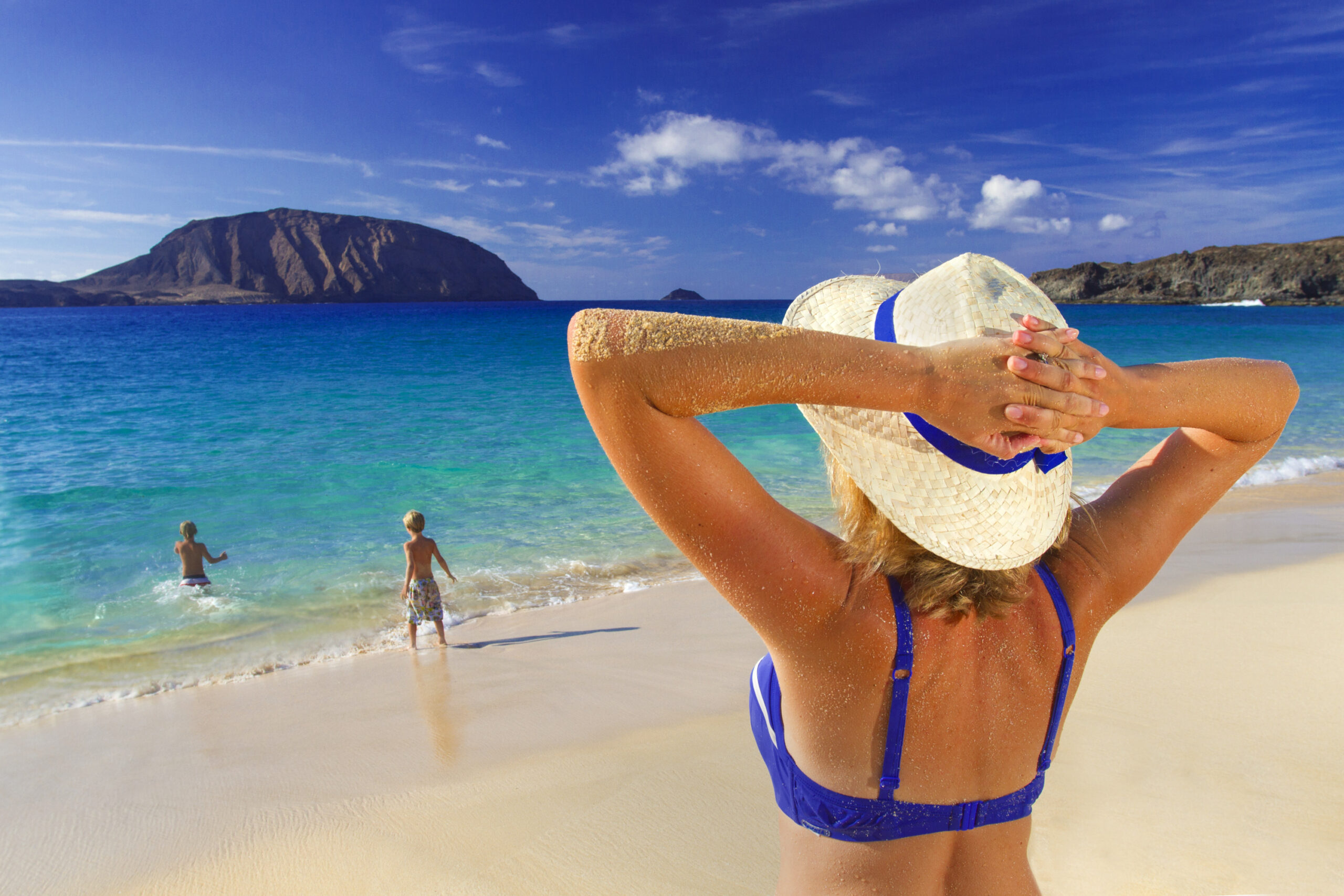
Accommodation options are limited but charming: small guesthouses, apartments and a few family-run hotels in Caleta de Sebo. Staying overnight lets you enjoy quiet mornings and sunsets without the day-trip crowds.
Final advice — enjoy responsibly
Slow down and savor it. La Graciosa rewards visitors who trade hurried plans for sunlit walks, long swims and easy meals. Follow local rules, respect the marine reserve and support island businesses so future generations can enjoy this peaceful place. If you want, I can help tailor a walking route, printable checklist, or short Spanish phrase sheet for your trip.