

La Caldera de Taburiente National Park is one of the most spectacular natural landscapes in the Canary Islands. Located on the island of La Palma, it is famous for its enormous volcanic crater, lush forests, waterfalls, and dramatic viewpoints. This paradise for hikers and nature lovers offers unforgettable scenery, peaceful trails, and a deep sense of connection with the island’s volcanic origins.
Quick facts
- Location: Central La Palma, Canary Islands, Spain.
- Declared a National Park: 1954 — one of Spain’s earliest national parks.
- Size: Around 4,700 hectares of protected land.
- Main feature: A gigantic erosion crater about 8 kilometers wide and 1,500 meters deep.
- Highest peak: Roque de los Muchachos (2,426 m) — also home to one of the world’s most advanced astronomical observatories.
What makes La Caldera de Taburiente special
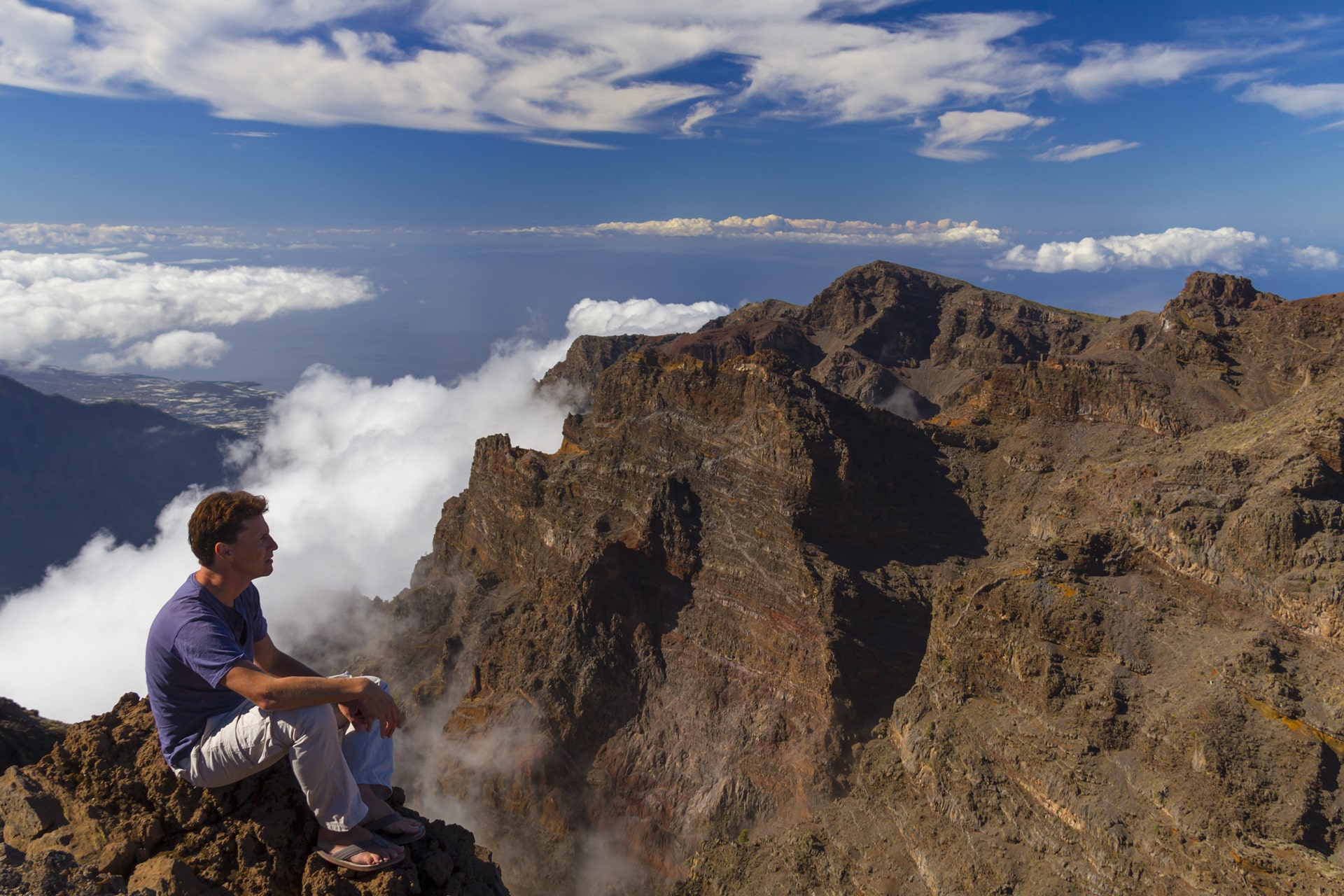
The park’s heart is a massive volcanic depression surrounded by rugged peaks and deep ravines. Rivers and springs run through pine forests and rocky valleys, forming small waterfalls and natural pools. From above, the view into the caldera is breathtaking — a mix of green slopes, red rocks, and clouds drifting through the mountain ridges.
It’s also a sanctuary of biodiversity: the Canary Island pine dominates the landscape, while endemic plants and rare birds thrive in this microclimate. Visitors can experience both the volcanic power that formed the island and the serenity of nature reclaiming it.

Top things to do
1. Hiking through the caldera
The park offers some of the best hiking in the Canary Islands. The most popular route starts at Los Brecitos and descends through pine forests to the riverbed known as the Barranco de las Angustias. Along the way, you’ll see waterfalls, rock walls, and colorful layers of volcanic stone.
2. Visit the Cascada de Colores
One of the park’s most famous spots, the “Waterfall of Colors” gets its name from the vibrant mineral hues that stain the rocks in shades of green, yellow, and orange. It’s a must-see photo stop for any visitor exploring the river route.

3. Discover the viewpoints
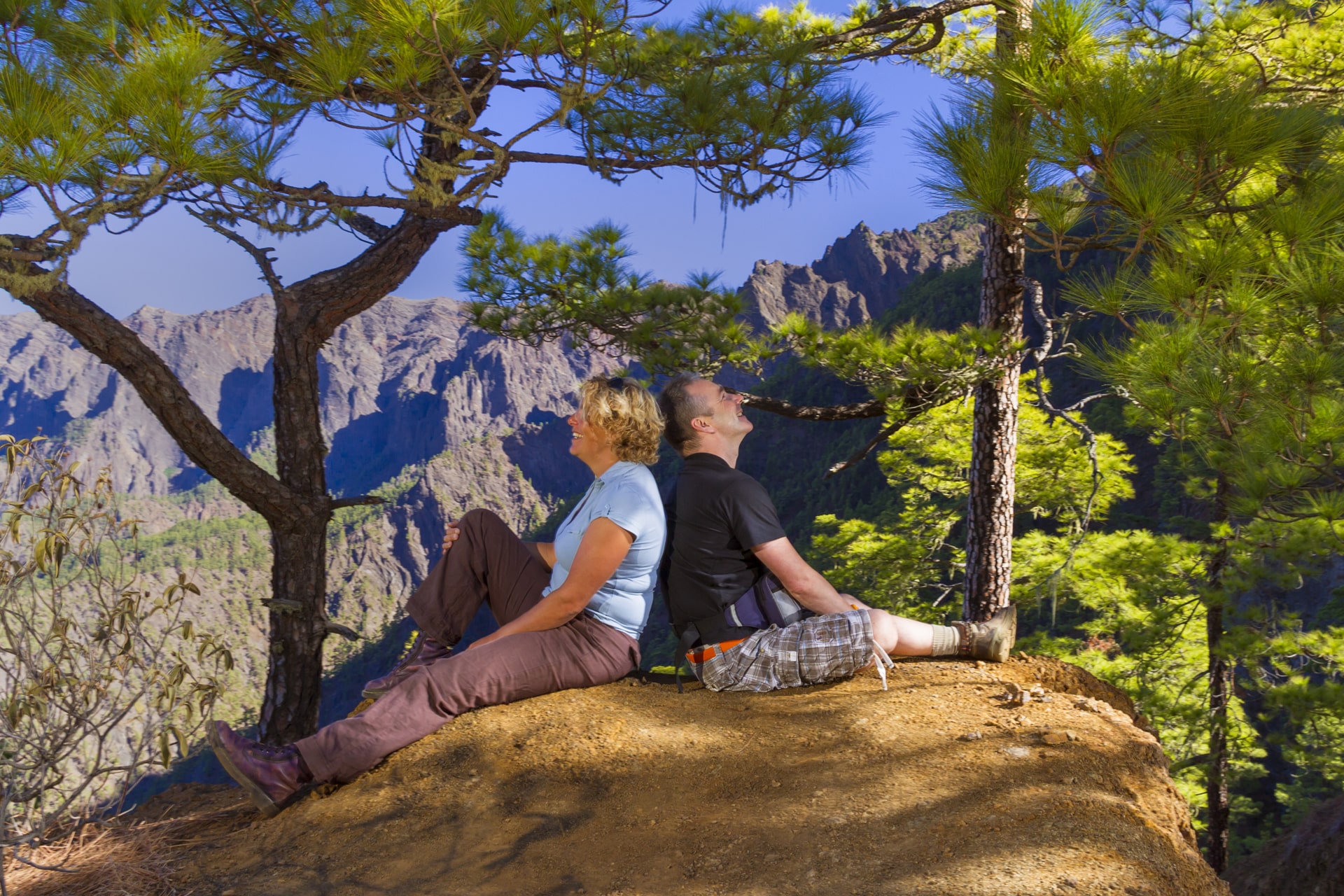
For panoramic views of the crater, head to Mirador de la Cumbrecita or Roque de los Muchachos. On clear days, you can see the entire volcanic bowl, the island’s forests, and even the neighboring islands of Tenerife and La Gomera on the horizon.
4. Stargazing from Roque de los Muchachos
Thanks to its altitude and minimal light pollution, La Palma is known as a Starlight Reserve. The observatory near Roque de los Muchachos is one of the best places on Earth to observe the night sky. Visitors can enjoy public observation areas or book a guided tour with local astronomy experts.
5. Learn at the Visitor Centre
The Visitor Centre of El Paso offers maps, trail information, geological exhibits, and interactive displays explaining the park’s volcanic formation. It’s the perfect starting point for your adventure.
How to get there
- By car: The main entrances are near El Paso and Los Llanos de Aridane. Roads lead to the viewpoints and visitor center.
- By public transport: Buses run to El Paso, but reaching trailheads may require a taxi or organized transport.
- Hiking shuttle: To walk the Los Brecitos–Angustias trail, many hikers use a taxi service to reach Los Brecitos and then return to the starting point on foot.
Best time to visit
All year round, the park offers great conditions. Spring brings wildflowers, autumn offers cool hiking weather, and winter provides dramatic cloud inversions at high altitudes. Mornings are usually clearer; afternoons can bring mist or clouds inside the caldera.
Safety and preparation tips
- Wear sturdy footwear — trails can be steep and rocky.
- Bring plenty of water and snacks; there are no services inside the caldera.
- Check weather forecasts before hiking — rain can cause flash floods in ravines.
- Follow park signage and stay on marked paths to protect fragile vegetation.
- Carry out all waste and respect the silence of nature.
Flora and fauna
The park’s ecosystem features the Canary Island pine with its remarkable ability to resist fire. Ferns, laurel, and endemic shrubs fill the wetter areas, while ravens, kestrels, and small reptiles inhabit the rocks. If you’re lucky, you might see the rare La Palma chaffinch or hear its distinctive song echoing through the caldera.
Photography & viewpoints
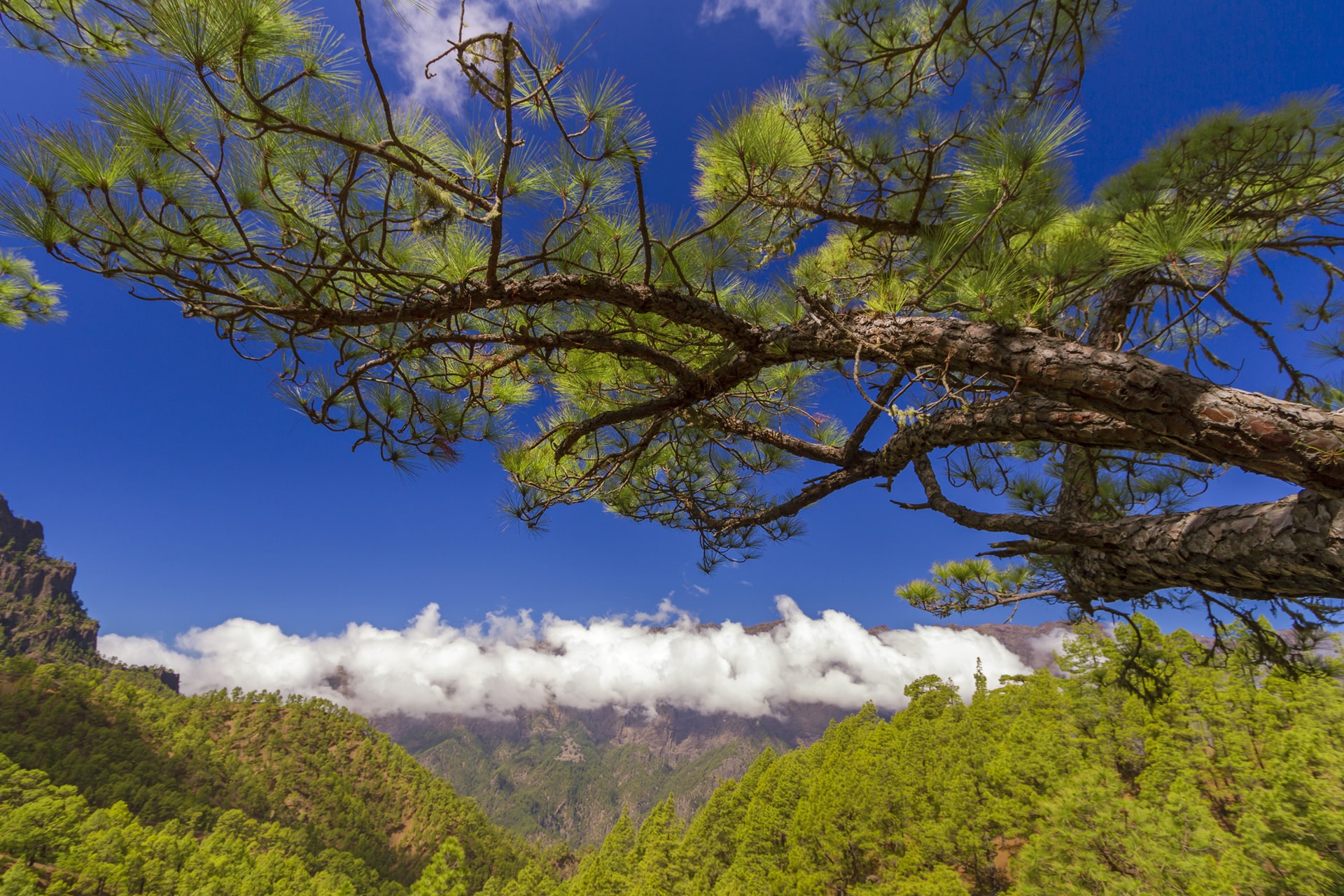
- Mirador de la Cumbrecita: A classic stop with accessible trails and unbeatable views into the crater.
- Roque de los Muchachos: The highest point on La Palma, with panoramic views above the clouds.
- Mirador del Time: Overlooks the Aridane Valley and part of the caldera rim — perfect for sunset shots.
Where to stay nearby
Base yourself in El Paso or Los Llanos de Aridane for easy access to the park. These towns offer hotels, rural cottages, and restaurants serving Canarian cuisine. Many hikers stay a few days to explore the different routes and viewpoints at a relaxed pace.
Responsible tourism
La Caldera de Taburiente is more than a hiking destination — it’s a protected heritage site of volcanic history and ecological diversity. Respect local rules, take nothing but photos, and leave nothing but footprints. Your care helps preserve this fragile natural wonder for future generations.
Final thoughts
The National Park of La Caldera de Taburiente is a masterpiece of nature — a place where fire, water, and time have shaped an incredible landscape. Whether you come for hiking, photography, or stargazing, it offers a deep sense of peace and connection with the wild heart of La Palma.